In Short ⚡
Procurement management is the process by which an organization works with vendors and suppliers to obtain the materials and services needed for business operations. It includes recognizing supply needs, managing contracts and orders, maintaining supplier relationships, controlling costs, and ensuring timely delivery to keep production running efficiently and avoid revenue losses.The COVID-19 pandemic has taught the business world about the importance of having an efficient procurement management system in place. There is a long list of reasons why this process needs to be optimized but it all boils down to one simple fact: it saves the business time and money.
Unfortunately, procurement project management is not as simple as checking out ValueHunta for the latest and greatest deal. Having a procurement analyst means effectively getting the materials needed to keep your company’s production process moving along smoothly.
What is Procurement Management?
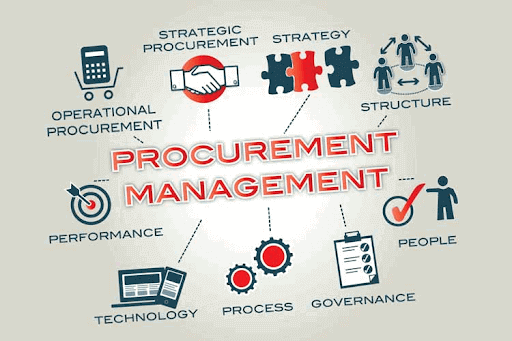
Before we can worry about things like the procurement supply chain, a procurement department, or a procurement specialist, helps to know what it is in the first place. Simply put, it is the process in which an organization works with vendors to get the materials and supplies required for business purposes.

The process also entails establishing relationships with vendors and suppliers. From time to time, it can mean attempting to reduce costs through discounts or relationships with the vendor or supplier. Though the needs can vary from company to company, the procurement process is largely the same no matter where you go.
Benefits of procurement management:
- Reduce cycle time for procurement processes;
- Increase the quality of goods and services provided by suppliers to avoid wasting money on things that don’t work, don’t last, or simply do not meet expectations;
- Ensure timely delivery of products and services without delays because this causes dissatisfaction among customers which leads to a loss in revenue opportunities.
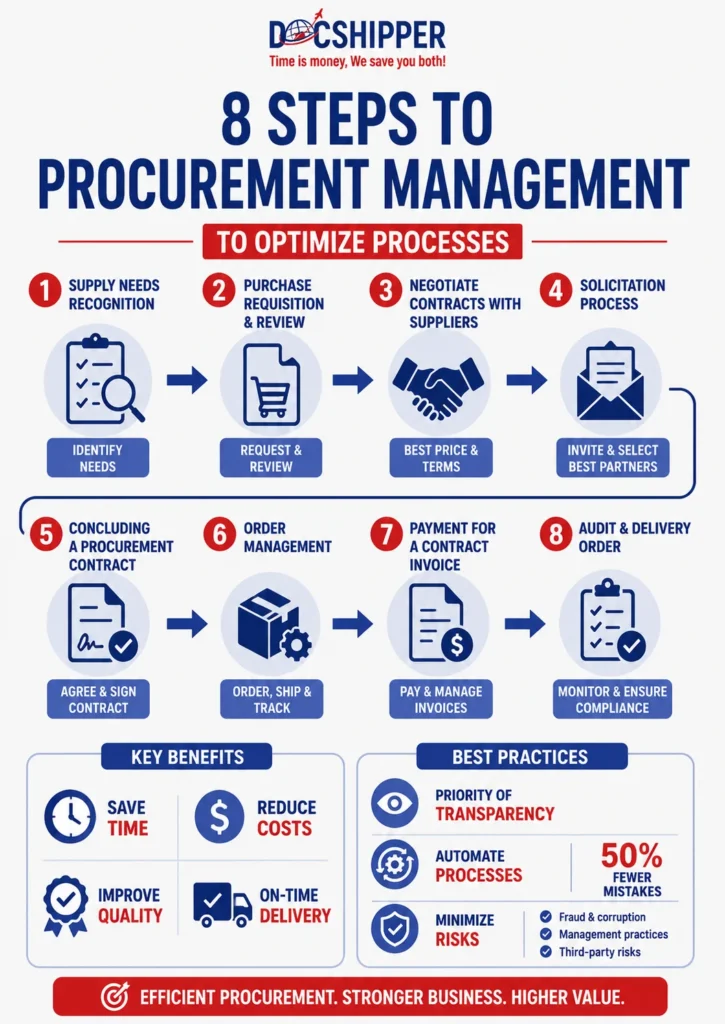
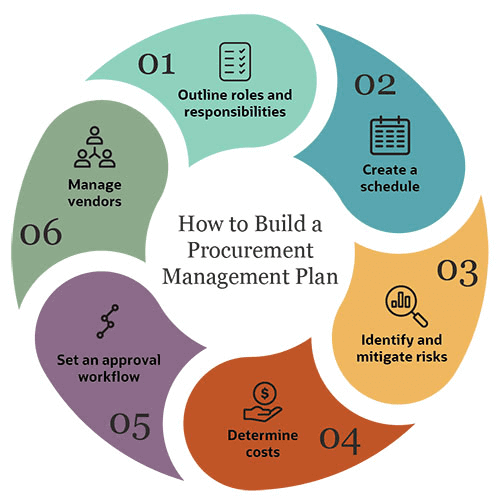
7 Steps to Procurement Management to Optimize Processes
There are distinct steps to the procurement management process that can help to optimize the entire endeavor. One of the most important things for any business is proper time management. Time is money, as they say, and wasted time equates to money wasted.
By following these steps, a business’s procurement management process can go from chaotic to smooth in no time at all. This means staying up to date on material needs and ensuring that there are no delays or issues in the production process. More money coming in and less time being wasted on ineffective processes.
1. Supply Needs Recognition
Whether you have a procurement analyst or delegate the role to someone else, it comes down to the need for supply.
The need for recognition is a fundamental step in the process because it determines if there is going to be an actual need for procurement. Three main areas must be recognized:
- Internal – what can we produce or do internally?
- External – what outside resources, products, and services will we need from suppliers?
- Inventory – how much material, supplies, finished product do we have on hand?
After the initial recognition of supply needs is completed then it can be determined if there is an actual need for procurement. It is important to consider all three areas because this will help determine what kind of planning must take place before beginning any processes.
A supply chain analyst will take a look at the consolidated supply and determine where needs are and how to meet them. This is the expense recognition principle. Without it, organizations find themselves taken by surprise when supplies run out. What happens next is a delay or stoppage in the production process, which can have a major impact on the earnings of that company.
2. Purchase Requisition and Review of Request
Requisitions are an imperative part of the process. It is important to know all about the purchase requisition form, especially a purchase requisition vs purchase order. There will be a requisition number created which allows for tracking of the process from start to finish.
A requisition is then recreated to start the purchase request. With planning and foresight, these requisitions can be placed well in advance to prevent any lulls in the production process. This means staying on target for tight deadlines and ensuring that there is never a down period for production.
3. Negotiate Contracts with Suppliers
Of course, part of the process involves ensuring that these supplies remain cost-effective. Whether it be distributive negotiation, integrative negotiation, principled negotiation, or contract negotiation, a negotiation strategy should be in place.
If there is no strategy, it can lead to either overpaying for certain materials or going without them entirely. While budgets are important, going without those materials can cause major production issues. By having a strategy in place, procurement analysts can compare potential vendors and find those with not only the best prices but the best level of service to meet the demands of the organization.
DocShipper Alert
DocShipper Info : Interested in our services? Need personalized information? Contact us, our experts will answer you within 24 hours
4. Solicitation Process
The solicitation may not necessarily fall in line with the procurement methods of every organization. The process is about finding procurement partners and giving all potentially interested vendors an opportunity to compete. This is done through a letter of agreement. A non-solicitation agreement, meanwhile, dictates that the organization is not interested in procurement through that vendor.
The idea is to not only welcome competition, but to help the business get the best price for procurement needs. By bringing competition into the fold, there is the chance that prices could lower, which would ultimately benefit the soliciting organization at the end of the day.
5. Concluding a Procurement Contract
When a vendor has been chosen, a contract negotiation begins. A contract may have contract defenses built within to protect each side of the agreement. Negotiating contracts takes an experienced professional who recognizes the details of the contract and ensures that both parties are fairly represented.
Negotiating a contract is not something that should be handled by anyone. Moreover, a bad contract can keep an organization committed to materials that are overpriced or of lesser quality for longer than is wanted. Having a professional review the procurement contract and ensure that everything is right is highly recommended here.
6. Order Management
After the contract has been put into place, it is on to the order processing part of the management process. Having order management in sales force is important for maintaining a sense of organization within the entire procurement process.
When an order is placed, there is a shipping order created. The order is fulfilled, shipped, and tracked starting at the vendor and ultimately arriving at the business. It is an effective way to know what materials are incoming so as to prevent issues with over ordering, missing orders, and any other potential problems in the supply chain. In short, it ensures efficiency and order in this portion of procurement management.
DocShipper info
DocShipper tip : In case you need assistance during your expedition contact a team of professionals who will help you manage your project’s workflow
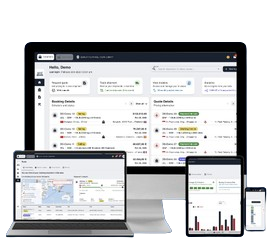
DocShipper Platform
One platform. Your entire supply chain
Sourcing, freight, customs & documents — all centralised, all visible, 24/7.
7. Payment for a Contract Invoice
The procure to payment process is the one that gets the most attention and rightfully so. Without a payment management system, businesses are asking for potential chaos. It is a simple yet effective way of properly managing incoming payments, outstanding invoices, and so much more.
An open payment can be tracked to show which invoices still need to be paid. Disorganization, particularly with a contract invoice, can lead to falling behind and becoming late on that invoice. That can potentially carry costly penalties with it, which ultimately costs the organization more money than it should have otherwise.
8. Audit and Delivery Order
Having an order management system is an absolute must for procurement. You can find a delivery order template out there if you don’t know where to begin. But having an order selector is of the utmost importance.
You can sort by the first order, ascending order, or any other way that works for you. This is the easiest way to keep track of open orders, closed orders, and booked orders. Moreover, it makes record-keeping a breeze because you can call up purchase orders and delivery slips whenever they are needed.
Any time you can streamline not only order processes but file management processes as well, you should. It makes for a more efficient, organized organization. One that makes far fewer basic, costly mistakes on a regular basis.
How to Optimize Your Procurement Management Process?
Managing the process becomes a task within itself. It starts by having a procurement supply chain and even a procurement specialist working solely on the procurement process. They will work directly with the vendors while keeping tabs on the materials required to keep production moving.
The key is to make sure that communication is constant and that there is an effective management system in place. Otherwise, it can lead to inconsistencies within the process. Inconsistencies equate to wasted time, wasted time equals wasted money. That is why having an effective system in place is so imperative.
Best practices manage procurement to optimize processes includes:
- Priority of transparency
Prioritizing transparency is key to creating a successful procurement management plan. Process transparency creates the trust that is essential for any future relationship between companies and suppliers.
The best way to increase transparency is through documentation. This means it is necessary to create a public and centralized document of all processes, decisions, and agreements with suppliers. It helps to avoid any misunderstandings and ensure a fair relationship.
- Automate procurement process
More than 70% of organizations are still using paper-based processes to manage their procurement process. Mistakes (which happen very often) can cost the loss of hundreds of thousands or even millions of dollars.
That is why it’s important to introduce automation in your processes, especially when you process large volumes and/or involve a lot of suppliers. It reduces mistakes by up to 50% and makes management faster because there are no data entry errors. The best way is to automate the whole supply chain from procurement to payment.
- Minimizing risks
There are three main areas of risk that need to be minimized in the process:
1. The risk associated with fraud and corruption
This includes all actions which are designed or can lead to illegal behavior, such as theft, bribery, etc. The best way is to implement a very rigid anti-corruption program (to prevent any future penalties)
2. Risks related to management practices
This includes risks to an organization’s ability to run its business. For example, the company may be at risk of losing market share or facing a crisis due to delays in product delivery. The solve this issue, it is important to consider a supplier’s financial stability and legal compliance with the company.
3. Risks associated with third parties
This includes any damage that can be caused by another party acting on your behalf (for example, an agent) or as a result of you engaging with a third party. For example, you can face financial risks due to product quality or quantity issues if your supplier does not meet the minimum requirements of your company.
The best way is to set strict criteria for suppliers and conduct regular evaluations with them. These processes will minimize the risk associated with third parties significantly as well as help companies make smarter decisions when choosing suppliers.
FAQ | 7 Steps to Procurement Management to Optimize Processes
The difference comes down to strategy vs execution. Procurement is the end-to-end strategic process. It includes:
- Identifying supply needs
- Selecting and evaluating suppliers
- Negotiating contracts
- Managing risks and performance
- Controlling costs long term
Purchasing, on the other hand, is transactional. It focuses on:
- Creating purchase orders
- Placing orders
- Receiving goods
- Processing payments
In short, purchasing is one step inside procurement. Procurement drives value and cost control at an organizational level, while purchasing handles the operational buying activity.
A well-structured procurement management plan delivers measurable operational and financial gains. Here’s what you can expect:
- Fewer production interruptions thanks to better demand forecasting
- Shorter procurement cycle times
- Higher supplier quality standards
- Stronger negotiation leverage
- Better cost predictability
It also improves transparency and documentation, which strengthens supplier relationships and reduces costly misunderstandings. Over time, this consistency directly improves your margins.
Because without structure, procurement becomes expensive chaos. A defined procurement management process helps you:
- Avoid stockouts that stop production
- Prevent overstocking that ties up capital
- Reduce fraud and compliance risks
- Control supplier performance
- Maintain financial visibility
Skipping procurement management may look like a short-term saving, but it usually results in delays, penalties, rushed purchases, and higher long-term costs.
Risk control in procurement is about preparation and monitoring — not just reaction. Focus on three main areas: 1. Fraud and corruption risks
- Implement strict approval workflows
- Separate duties between requisition, approval, and payment
- Establish anti-corruption policies
2. Operational and management risks
- Assess supplier financial stability
- Verify legal compliance
- Track on-time delivery performance
3. Third-party risks
- Set clear quality benchmarks
- Conduct regular supplier evaluations
- Include protective clauses in contracts
The goal isn’t to eliminate risk entirely — it’s to reduce exposure and respond quickly when issues arise.
The difference lies in how the purchase impacts revenue generation. Direct procurement includes:
- Raw materials
- Components
- Manufacturing supplies
- Products for resale
These directly affect your final product and revenue. Indirect procurement includes:
- Office supplies
- Marketing services
- IT tools
- Travel expenses
Indirect purchases don’t become part of your product, but they are essential to keep the business running. Both require management — but direct procurement usually carries higher operational risk.
This is a common source of confusion. A purchase requisition is an internal document.
- Created by a department
- Requests approval to buy something
- Triggers the procurement workflow
A purchase order (PO) is external.
- Sent to the supplier
- Legally confirms the purchase
- Includes pricing, quantities, and delivery terms
In simple terms: Requisition = internal approval. Purchase Order = official commitment to the vendor.
Automation becomes critical when:
- You handle high purchase volumes
- You work with multiple suppliers
- Manual errors are frequent
- Invoice reconciliation takes too long
- Approval cycles slow down production
If your team spends more time chasing paperwork than analyzing supplier performance, it’s time to automate. Procurement automation reduces data entry errors, speeds up approvals, improves tracking, and strengthens financial control across the procure-to-pay cycle.
Choosing the cheapest supplier is rarely the smartest decision. Use a structured evaluation approach:
- Financial stability assessment
- Delivery performance history
- Quality control standards
- Legal and regulatory compliance
- Communication responsiveness
- Scalability capabilities
Create a supplier scorecard and review it regularly. The right supplier is not just affordable — they are reliable, compliant, and aligned with your long-term growth strategy.
Conclusion
Though there are bound to be inefficiencies and minor errors due to human involvement, a procurement management system is meant to keep those to a minimum. The system doesn’t quite run itself but it isn’t far away from that, either.
Having the right system in place can mean a lot of good things for a business. It means ensuring having all the necessary materials on hand to keep production rolling. It means potentially getting discounts through ongoing relationships with vendors. And it means automating some of the more menial tasks and making them more efficient than ever before.
About the Author
Liam Mills is a Supplier Quality Assurance Manager, expert, and founder of ValueHunta.
Read More
You might be interested in these articles
- Coronavirus (Covid-19) impacts on import/export business
- How does Coronavirus impact international supply chain?
- 💡How to find a good product to sell?
- How to find your reliable supplier for your business? [Fair Trade Guide]
- AliExpress | Use the Chinese panacea to sell your products online
- How a sourcing strategy can rocket your margin?
Need Help with
Logistics or Sourcing ?
First, we secure the right products from the right suppliers at the right price by managing the sourcing process from start to finish. Then, we simplify your shipping experience - from pickup to final delivery - ensuring any product, anywhere, is delivered at highly competitive prices.
Fill the Form
Prefer email? Send us your inquiry, and we’ll get back to you as soon as possible.
Contact us