In Short ⚡
The importance of freight forwarding lies in simplifying international import and export operations by managing transportation, customs clearance, documentation, warehousing, and insurance. With over 40,000 forwarding and logistics firms operating in 150 countries, freight forwarders optimize costs through rate negotiation and shipment consolidation, ensure regulatory compliance, and provide tracking systems for timely, organized global cargo movement.Introduction :
There are various means of shipping commodities from one location to another like rail, air, highway, or waterway. Freight forwarding is quite popular in almost all countries. According to the Canadian International Freight Forwarders Association (CIFFA), Global trade has been increased rapidly since 1948 to ensure the timely and organized flow of goods across the world through freight forwarding. There are 40,000 forwarding and logistics firms in 150 countries involved in this business.
What Do You Understand from Freight Forwarding?
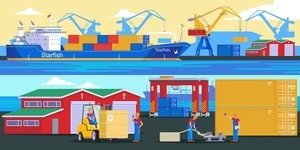
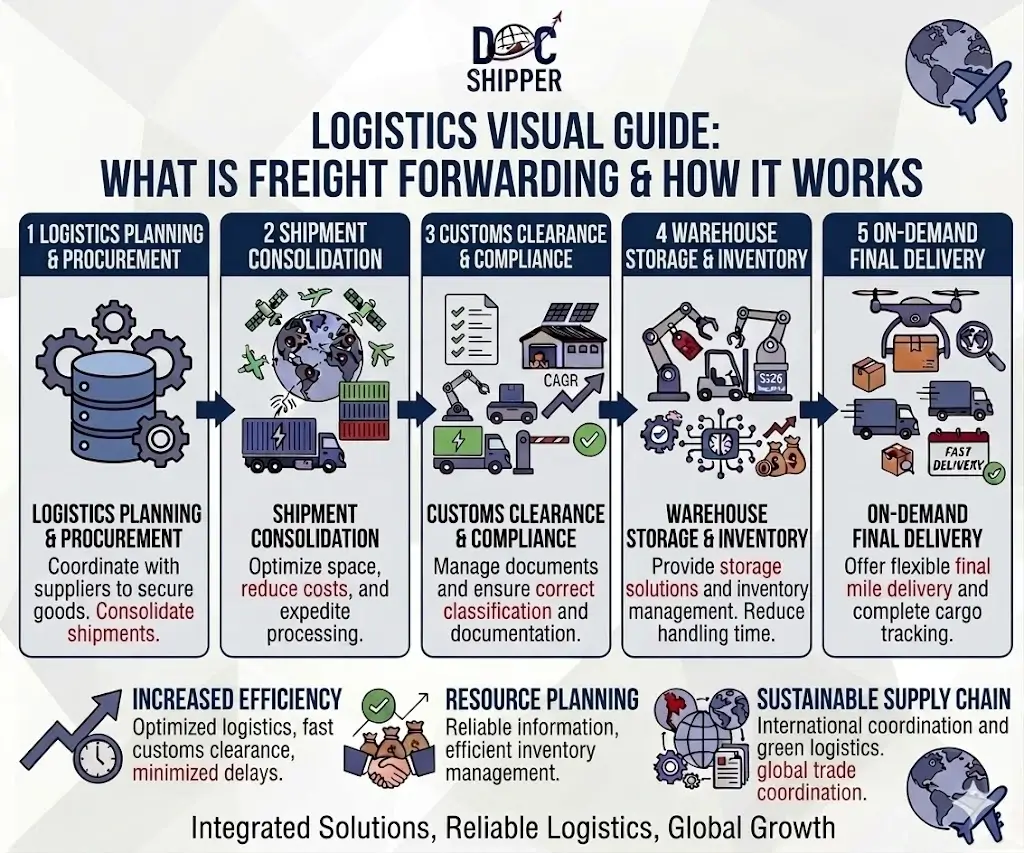
Transporting goods and cargo to-and-fro is known as freight forwarding. Companies, which are involved in coordinating the export and import of goods and cargo. They often provide an entire range of services, including warehousing, packing, customs clearance, and transportation. Freight Forwarders or called as freight forwarding firms also cater extra freight forwarding facilities like providing freight consolidation.
Following are the criteria to execute strategic logistics plans
With the assistance of import and export, businesses can easily execute prudent logistics plans.
- You must need an expert knowledge of customs protocols, which vary as the port or country changes.
- Robust problem-solving skills to tackle emergency circumstances like obstructions created by weather, technology, or human nature in catering timely travel.
- Good network building is essential as parties are the only thing that makes the supply chain robust.
- Licence is also required.
DocShipper Info
DocShipper info : DocShipper has been serving its customers by delivering their goods with top priority and ensuring the top-notch quality of service. If you require any assistance in regard to send or receive your shipment, DocShipper would be the best suitable choice for your needs. Please do not hesitate to contact us here, our team will get in touch with you.
Freight Forwarder’s Role
Shipment Tracking
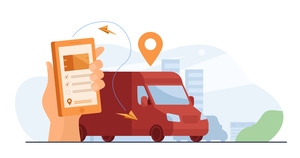
They use a Transportation Management System (TMS) to keep track of a shipment’s progress at all times.
Custom Brokerage
It is necessary to have licensure if you want to involve yourself in customs brokerage, which is also called a Customs Brokerage Licence. This enables the brokers to manage and submit detailed documentation in order to complete importing/exporting processes.
Warehousing
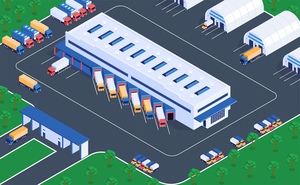
Some forwarders own warehouses, if not they arrange the same, which is operated by a nearby affiliate, for the product storage. A process of storing products in the warehouse is called warehousing.
Negotiating

Bargaining with carriers for affordable shipping rates is the most complicated task as the pros and cons of the cargo type, space needs, time flexibility, credit status, and more are considered the basis of the negotiation.
Cargo Space Scheduling
If you are a forwarder, you will need to have excellent coordination skills. When you employ a freight forwarder, deliberate preparation is critical for observing the profitability of a shipment so that you can secure punctual sailing and prioritize the possible intermodal shipping choices.
Consolidating Freight
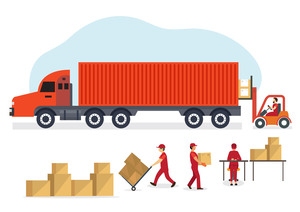
Most of the time, the forwarders have to do business with the people who need to deliver cargo that does not fill a whole container. Some freight-forwarding customers do not have sufficient goods that do not utilize the entire container, freight consolidation takes place here that includes Less than Container Load or LCL shipping service. In which multiple and smaller consignments are booked aboard a single container. As per the requirement of space for the cargo, the shipping cost is allotted to all the participating clients.
Providing Cargo Insurance
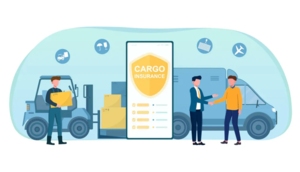
Forwarders can also offer a cargo insurance policy to their customer, called freight insurance, to compensate the loss of payee for damaged or stolen goods during the transit.
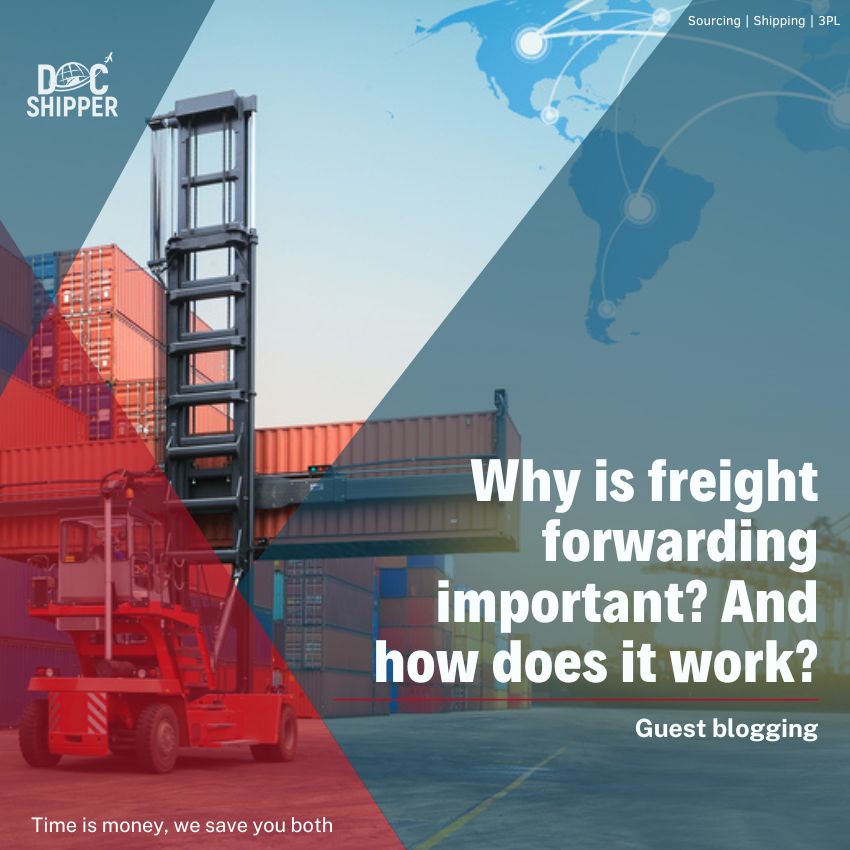
Why is freight forwarding so important?
Freight forwarding makes the import and export process easier. Specialized services in freight forwarding provide efficient and stress-free dealing in context to transportation of commodities.
Extremely Knowledgeable
Freight forwarders are experts in the supply chain who have the potential to accomplish tight deadlines and are able to build an organized system for the timely delivery of goods to avoid unexpected difficulties like delayed goods or rerouted services. They do all the necessary paperwork, pay the required tariffs, and handle other taxes.
Excellent Customer Services

They provide excellent customer service and build relationships with global agents in order to ensure a streamlined process.
Activities involved in customer service
It entails offering assistance to both potential and existing customers. In addition to answering client inquiries via in-person, phone, email, chat, and social media interactions, these experts may also be in charge of developing documentation for self-service support.
Cost Savings

If there are high-volume goods to be transported, then there are 90% chances that freight forwarders will negotiate on lower terms. After getting agreed on lower terms, they consolidate smaller shipments with other shipments from various businesses to save your money as well as to create a full load.
Insurance Filing
Freight forwarders possess expertise in getting coverage for shipments as well as providing insurance whenever anything goes wrong with a shipment.
Contract-free
Freight forwarders do not work on contracts, which means it is easier for the businesses to get more flexibility in transporting goods. Firms having the freedom to choose carriers also ensures higher levels of high-standard customer service. Quality freight forwarding services guarantee the timely transfer of goods across borders. They provide a huge benefit to international companies by reducing mental fatigue while offering reliable transportation at reasonable rates.
DocShipper Platform
Optimize Your Global Logistics with Cutting-Edge Solutions
Enhance efficiency, cut costs, and gain 24/7 visibility 
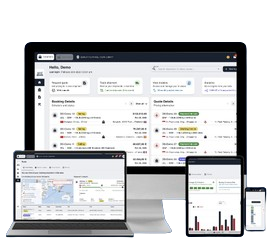
- Cut your shipping costs and maximize your margins
- Manage sourcing, freight, & customs on one platform
- Get real-time tracking and analytics
DocShipper Tip
DocShipper Advice : Selecting the good freight forwarder has always been a tough job, but not now because DocShipper handles your shipment professionally. DocShipper is known for that. Do you have any questions, please do not hesitate to contact us here, our team will get in touch with you.
How Does Freight Forwarding Work?
Following are the stages in the freight-forwarding process:
STAGE 1 – EXPORT HAULAGE
This is the process of transporting things from a shipper’s location to a freight forwarder’s facility via truck or train. The time taken for transportation of commodities depending on distance, and geographical location. The duration of transportation in this stage varies from hours to weeks.
STAGE 2 – ITEMS CHECKPOINT
When the products are delivered to freight forwarders, they inspect each item at the item checkpoint to confirm that everything has arrived safely.
STAGE 3 – CLEARANCE OF EXPORT CUSTOMS
Shipped goods are cleared in this stage by customs brokers, who are liable for submitting cargo information and related documents. The shipper and recipient must agree on signing an agreement. Nevertheless, an inability to provide this service generates a requirement for the third-party customs broker.
STAGE 4 – CLEARANCE IMPORT CUSTOM
When the cargo has arrived, custom documents are checked by the authorities in the destination country. As soon as the cargo arrives, a freight forwarder or a nominated customs broker is accountable to clear the cargo.
STAGE 5 – DESTINATION ARRIVAL AND HANDLING
Various processes are implemented during this stage comprising obtaining, and checking all the required documents of the cargo, evaluation of outstanding documentation carrier bills, and more.
STAGE 6 – IMPORT HAULAGE
Similar to export haulage stage, this stage includes the transportation of all the commodities from the warehouse to the receiver’s location, and it is proffered by the freight-forwarder.
Conclusion :
En somme, le transitaire se révèle un partenaire indispensable dans le dédale du transport de marchandises. Son expertise simplifie les opérations, optimise les coûts et permet aux entreprises de se concentrer sur leur cœur de métier, transformant la complexité logistique en un atout stratégique.
FAQ | Why is freight forwarding important? And how does it work?
Great question—choosing the wrong partner can be costly. Here’s how to verify a freight forwarder properly: 1. Ask for their business license and check if it’s valid in their country of registration. 2. Verify if they hold required certifications (for example, customs brokerage licenses if they handle customs). 3. Check independent reviews on platforms like Trustpilot or Google Reviews. 4. Ask for real client references in your industry. 5. Confirm they have a physical office address and a responsive support team. Taking these steps helps you avoid fraud and ensures your cargo is in safe hands.
Consolidating means combining multiple smaller shipments into one container to optimize space and cost. Here’s how it works in practice: 1. If your cargo doesn’t fill an entire container, it is grouped with other shipments going to the same destination. 2. Each shipper pays only for the space they use. 3. This is commonly called LCL (Less than Container Load), as opposed to FCL (Full Container Load). It’s a cost-effective solution for small and medium-sized shipments.
Yes, absolutely. In road transport, it works similarly to ocean freight. 1. If your cargo doesn’t fill an entire truck, it can be grouped with other shipments. 2. This is often referred to as LTL (Less Than Truckload). 3. The goods usually share the same route or destination region. It helps reduce transportation costs while maintaining delivery efficiency.
Cargo insurance protects you financially if your goods are damaged, lost, or stolen during transit. Here’s what you should know: 1. Basic carrier liability is often limited and may not cover the full value of your goods. 2. Cargo insurance covers unforeseen risks like accidents, weather damage, theft, or handling issues. 3. The premium depends on cargo value, type of goods, and transport mode. 4. In case of damage, you must provide documentation (invoice, packing list, photos, inspection report). If your shipment has high value, fragile items, or long transit routes, insurance is strongly recommended.
Customs delays are common—but manageable if handled properly. Here are the usual causes: 1. Missing or incorrect documentation. 2. Duties or taxes not paid on time. 3. Random inspections by authorities. 4. Restricted or regulated goods requiring special permits. To reduce risk:
- Ensure all documents (invoice, packing list, HS codes) are accurate.
- Work with an experienced forwarder or licensed customs broker.
- Confirm import regulations before shipping.
Proactive preparation is the key to avoiding costly storage fees and delays.
Not always—but in many cases, yes. You may not need one if:
- You ship domestically with a parcel courier.
- The shipment is simple and low-value.
You likely need one if:
- You ship internationally.
- Customs clearance is required.
- Your cargo requires consolidation (LCL or LTL).
- You want to reduce costs through negotiated carrier rates.
Even for small shipments, a forwarder can simplify paperwork and prevent costly mistakes.
Documentation is one of the most critical parts of international shipping. Common documents include: 1. Commercial Invoice (declares goods and value). 2. Packing List (details quantity and packaging). 3. Bill of Lading or Airway Bill (transport contract). 4. Certificate of Origin (if required). 5. Import/export licenses for regulated goods. Incorrect or incomplete documentation is one of the main reasons shipments get delayed—so accuracy is essential.
Many businesses confuse the two, but they serve different roles. Freight Forwarder:
- Organizes transportation from origin to destination.
- Handles booking, consolidation, warehousing, and coordination.
Customs Broker:
- Specializes in customs clearance.
- Submits declarations and ensures compliance with import/export regulations.
- Must hold a customs brokerage license.
Some freight forwarders offer both services—but not all. Always confirm what’s included.
Read More
You might be interested in these articles
- Coronavirus (Covid-19) impacts on import/export business
- How does Coronavirus impact international supply chain?
- 💡How to find a good product to sell?
- How to find your reliable supplier for your business? [Fair Trade Guide]
- AliExpress | Use the Chinese panacea to sell your products online
- How a sourcing strategy can rocket your margin?
Need Help with
Logistics or Sourcing ?
First, we secure the right products from the right suppliers at the right price by managing the sourcing process from start to finish. Then, we simplify your shipping experience - from pickup to final delivery - ensuring any product, anywhere, is delivered at highly competitive prices.
Fill the Form
Prefer email? Send us your inquiry, and we’ll get back to you as soon as possible.
Contact us