How to find a freight forwarder in China that protects your cargo and your margins

  • admin 33 Min
  • Published on May 25, 2022 Updated on April 13, 2026
img

In short ⚡

To find a reliable freight forwarder in China, define your shipment basics (volume, Incoterms, trade lanes, service level), then compare several compliant providers on documentation, pricing transparency, and support.


  • Verify Chinese business license, scope, and overseas partners
  • Demand detailed quotes with origin/destination charges and exclusions
  • Check insurance options, liability limits, and claims process
  • Test language skills, responsiveness, and tracking visibility
  • Review references, typical issues handled, and performance KPIs

We hope you’ll find this article genuinely useful, but remember, if you ever feel lost at any step, whether it’s finding a supplier, validating quality, managing international shipping or customs,  DocShipper can handle it all for you!

Free shipping quote 24h      I want to talk to a sourcing expert

Why choosing the right Chinese freight forwarder matters for your business

If you’re figuring out how to find a freight forwarder in China, you’re not just shopping for a “shipping agent”.

You’re picking the partner who will either protect your cash flow and lead times, or quietly eat your margin with delays, rework, and surprise fees.

From experience, the forwarder you choose in China influences everything downstream, from customs clearance to delivery appointments and even customer satisfaction.

And yes, you’ll notice fast that two forwarders can quote the same route but deliver totally different outcomes.

DocShipper Info

The right partner shapes your cash flow and delivery performance.
Need a vetted freight forwarder in China?
We benchmark operators on cost, compliance, and real execution, not just quotes.

The freight forwarder’s role in your global supply chain
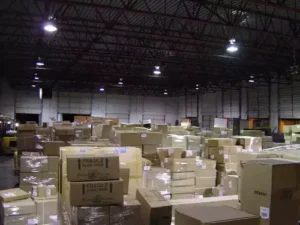
One time, we saw an importer assume the forwarder “only books a container”.

Then the cargo missed the vessel cut-off because nobody coordinated trucking to the port and the export declaration timing, and the whole plan collapsed.

Here’s what a strong forwarder actually does when you’re learning how to find a freight forwarder in China.

  • Plans the routing based on your timeline, risk tolerance, and budget, not just the cheapest sailing.
  • Books capacity with carriers and manages cut-offs, VGM, and documentation deadlines.
  • Coordinates origin handling, pickup, consolidation, and warehouse steps when needed.
  • Manages customs workflows (directly or through licensed partners) to reduce holds and exam risk.
  • Provides visibility with tracking milestones you can actually act on, not vague updates.

You’ll also benefit when your forwarder speaks the language of Incoterms, HS codes, and packaging constraints, because those details decide whether your shipment flows or gets stuck.

For context, the ICC Incoterms Committee’s rules make it clear that responsibilities shift sharply between terms, your forwarder needs to handle that reality, not improvise.

Risks of a poor choice: hidden costs, delays, and damaged goods

Direct tip: don’t judge a forwarder by the first quote line, judge them by what they forgot to mention.

When you search how to find a freight forwarder in China, you’ll keep seeing prices that look great until the invoice grows teeth.

We’ve watched “cheap” shipments turn expensive after destination charges, storage, demurrage, and re-delivery attempts piled up.

This is the short list of pain points you want to prevent.

  • Hidden surcharges like peak season fees, GRI, port congestion fees, chassis fees, or DOC fees.
  • Rollovers when the forwarder can’t secure space or misses cut-offs.
  • Customs holds due to sloppy paperwork, wrong HS codes, or missing certificates.
  • Cargo damage from weak export packing, bad palletization, or moisture exposure in ocean freight.
  • Detention and demurrage because delivery wasn’t coordinated or the consignee wasn’t prepared.

To make this operational, use this quick checklist before you accept any “all-in” offer.

  • Ask for origin charges and destination charges separately, in writing.
  • Confirm the free time included for demurrage and detention at destination.
  • Request the rate validity date and the conditions that can change it.
  • Clarify who pays if the cargo gets selected for inspection or an exam.
  • Check whether the quote assumes stackable pallets, specific dimensions, or a max weight.

Those five questions alone will filter out a surprising number of risky providers.

DocShipper Alert

A low quote can hide costly surprises at destination.
Before accepting any offer, let us audit the full charge structure
and flag hidden risks that erode your margins.

When you should not just accept your supplier’s freight forwarder

Why do suppliers push their “recommended forwarder” so hard when you ask about shipping?

Because sometimes the forwarder is fine, and sometimes it’s a profit channel, with markups hidden inside local charges and vague service scope.

We’ve seen scenarios where a factory’s forwarder quoted a low ocean rate, then added inflated “handling” and “documentation” fees at origin, and you only discovered it after the cargo was already at the port.

When you’re deciding how to find a freight forwarder in China, treat the supplier’s option like any other candidate, then verify control and incentives.

Use this simple workflow to stay in charge without starting a fight with your factory.

Supplier-forwarder control workflow:

1) You ask the supplier for cargo ready date, cartons, weights, dimensions, and pickup address.

2) You request a separate quote from your own shortlisted forwarders using the exact same data.

3) You compare not only price, but routing, cut-offs, destination charges, and service scope.

4) You decide who issues the shipping instructions and who receives the original documents.

5) You keep final approval on booking and any charge changes in writing.

If the supplier refuses to cooperate unless you use their forwarder, consider it a red flag about control, not just logistics.

DocShipper Advice

Keep control of bookings and documentation from day one.
We help you compare supplier and independent forwarder quotes
so incentives stay aligned with your business, not theirs.

Define your shipping needs before you contact forwarders

If you skip this part, you’ll waste days collecting quotes that can’t be compared.

Before you go deeper into how to find a freight forwarder in China, lock your shipment basics so every forwarder prices the same reality.

We’ve watched importers share incomplete dimensions, then get hit with a “re-measurement” bill that erased the savings they thought they had.

Clear inputs produce clean quotes, and clean quotes lead to better decisions.

DocShipper Info

Clear shipment data means cleaner quotes and fewer disputes.
Share your volumes and lanes with us
and receive structured comparisons you can actually act on.

Clarify shipment volume, frequency, and trade lanes
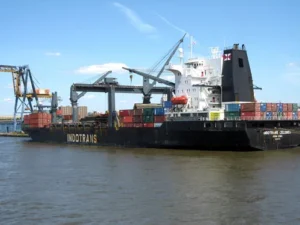
Anecdote you’ll recognize: a buyer told the forwarder “about one pallet”, then the cargo turned into six pallets at pickup.

The forwarder re-rated the shipment, the airline space disappeared, and the delivery date slipped, all because the original data was casual.

When you’re learning how to find a freight forwarder in China, forwarders will take you more seriously if you speak in numbers.

Here’s the info set that makes your request for quotation actionable.

  • Monthly volume in CBM and/or chargeable weight (air).
  • Frequency (weekly, monthly, seasonal spikes).
  • Trade lanes (ex: Shenzhen to Rotterdam, Ningbo to Los Angeles, Chengdu to Frankfurt).
  • Shipment profile (FCL vs LCL, cartons vs pallets, mixed SKUs).
  • Target transit time and your “latest acceptable arrival” date.

You’ll quickly see which forwarders actually understand your lane and which ones are guessing.

DocShipper Advice

Precise volumes and transit targets unlock better routing options.
Let our team stress test your lane assumptions
before you commit to capacity or deadlines.

Identify your cargo type, incoterms, and service level (port-to-port vs door-to-door)

Direct tip: decide your Incoterm before you compare forwarders, otherwise you’ll compare apples to fireworks.

It’s impossible to master how to find a freight forwarder in China if one quote is EXW door pickup and another is FOB port only.

Service level changes who controls risk, who pays what, and who solves problems at 2 a.m. when the container is held.

This table helps you align quotes quickly.

Option What you get What usually trips you up
Port-to-port Forwarder manages ocean or air main leg between ports/airports. Destination charges and last-mile delivery can explode if not pre-negotiated.
Door-to-port Pickup at supplier plus main leg to destination port. Customs and delivery still on you, timing gaps happen at arrival.
Port-to-door Main leg plus customs and delivery to your warehouse. Delivery appointments, accessorials, and free time must be clarified early.
Door-to-door End-to-end control including pickup, export, main leg, import clearance, delivery. Scope must be written clearly, or “door” becomes “curbside” in practice.

Also specify whether your goods are general cargo, fragile, high value, or sensitive to humidity, because that drives packing and insurance decisions.

DocShipper Info

Service scope changes cost, risk, and control overnight.
We clarify Incoterms and door coverage in writing
so every quote reflects the same responsibilities.

Special cases: Amazon FBA, e‑commerce, and hazardous or sensitive goods

Bold statement: special cargo punishes vague planning.

If your research on how to find a freight forwarder in China includes Amazon FBA or hazmat, you need a forwarder who runs these lanes weekly, not “sometimes”.

We’ve seen FBA shipments arrive perfectly on time, then get rejected because the cartons lacked the right labels and the forwarder didn’t warn the shipper.

Use this checklist to avoid the classic special-case failures.

  • Amazon FBA: confirm labeling, carton content rules, pallet requirements, and appointment delivery capability.
  • E-commerce parcels: check tracking granularity, DDP options, and returns handling.
  • Hazardous goods: ask for DG classification support, MSDS review, and certified packing partners.
  • Battery products: verify UN38.3 test documentation expectations and airline restrictions.
  • Sensitive goods: request moisture protection plan, desiccants, and container loading supervision.

One mention worth keeping in mind, IATA rules can drive what is even possible for air shipments with batteries or DG, so your forwarder must know the playbook.

DocShipper Alert

Special cargo leaves no room for vague execution.
Work with specialists in FBA, DG, and battery shipments
to avoid rejections, fines, or last minute air freight bans.

Verify that the forwarder is legal, compliant, and financially solid

This is the moment most importers get stuck.

You’re trying to figure out how to find a freight forwarder in China, but every website looks legitimate, and every sales rep promises “fast and safe”.

Here’s the thing, compliance and financial stability don’t show up in a glossy PDF, they show up in documentation, traceability, and how they answer specific questions.

We’ve handled escalations where a forwarder disappeared mid-shipment, and the cargo ended up held because nobody could prove who was responsible.

DocShipper Alert

A glossy website does not guarantee legal or financial stability.
We verify licenses, registrations, and partner networks
before your cargo or funds are exposed.

Required registrations, licenses, and memberships in China and abroad
Anecdote: we once asked a “forwarder” for their company registration details, and they sent a blurry screenshot with mismatched names.

That alone told us we weren’t dealing with a stable operator.

When assessing how to find a freight forwarder in China, you’re looking for verifiable identity and a consistent legal footprint.

Ask for these items, and check that names and addresses match across documents.

  • Chinese business license (company name in Chinese, unified social credit code, registered address).
  • Proof of freight forwarding scope in their registered business activities.
  • Export customs capability clarity, do they act directly or via a licensed customs broker.
  • Overseas partner details for destination handling if they don’t have their own branch.

For a global perspective, WCO-aligned customs practices make documentation consistency non-negotiable, you want a forwarder who treats data quality like a control point.

DocShipper Info

Documentation consistency reveals operational discipline.
Ask us to validate registrations and customs scope
before trusting a new freight partner in China.

Insurance, liability, and how your cargo is protected

Direct tip: don’t confuse a forwarder’s liability with cargo insurance, they’re not the same.

When you’re learning how to find a freight forwarder in China, you should ask, in plain words, “If my goods are damaged, who pays, and under what document?”.

We’ve seen importers assume “they’re responsible”, then discover the limit is tiny compared to the cargo value.

Use this short workflow to get clarity before booking.

Cargo protection workflow:

1) You declare commercial value, commodity, packing method, and risk points (humidity, stacking limits).

2) You ask what liability regime applies for the main leg (sea, air, road) and what documents govern it.

3) You request a cargo insurance quote option and confirm coverage type (all risks vs limited).

4) You align claims process, evidence required, and timelines in writing.

5) You confirm who inspects damage at destination and how photos and reports are collected.

This is also where you spot professionalism, solid forwarders explain it clearly without dodging.

DocShipper Advice

Liability limits rarely match your cargo value.
We structure insurance coverage and clarify claims workflows
so damage does not turn into a financial shock.

Red flags when checking company background and ownership

Are you seeing a forwarder with three different company names across email signature, invoice, and website?

That’s often where your “good deal” turns into a payment dispute.

When screening how to find a freight forwarder in China, you want to reduce the odds of fraud, shell companies, or unstable operators.

This checklist helps you catch issues early, before you send funds or release cargo.

  • Bank account name doesn’t match the company on the contract or quote.
  • Refuses video calls, office address checks, or basic company documentation.
  • Unrealistic pricing far below market with “only today” pressure tactics.
  • No clear escalation path, you can’t identify an operations manager, only sales.
  • Inconsistent Incoterm advice, they push terms that shift cost risk onto you without explaining.

You’re not being paranoid, you’re being operational.

DocShipper Alert

Inconsistent company details are not small mistakes.
Run a structured background check before paying deposits
and reduce fraud or shell company exposure.

Evaluate service scope and logistics capabilities

At this stage, you’re not just asking how to find a freight forwarder in China, you’re testing whether they can execute your exact supply chain.

Plenty of providers can move a box once.

The forwarder you keep should handle exceptions, peak season pressure, and messy documentation without turning every hiccup into a surcharge.

We’ve seen strong operators save a shipment simply by having the right trucking partner 20 minutes from the factory.

DocShipper Info

Execution strength shows in peak season and disruptions.
We assess real operational depth, not just service lists
so your supply chain holds under pressure.

Core freight services: sea, air, rail, trucking, and multimodal options

Anecdote: a client insisted on air freight to “fix” a delay, but the cargo was oversized and got bumped repeatedly.

Switching to a fast ocean service plus better origin coordination solved it with less stress and fewer surprises.

When evaluating how to find a freight forwarder in China, check whether they offer the right modes and, more importantly, whether they explain trade-offs clearly.

Here’s a quick comparison you can use during calls.

Mode Best for Watch-outs
Ocean (FCL/LCL) Cost efficiency, larger volumes, stable planning. Port congestion, longer lead times, humidity risk.
Air High value, urgent replenishment, small volumes. Chargeable weight surprises, DG restrictions, capacity volatility.
Rail Some China-Europe lanes with mid-range cost and time. Route variability, border delays, limited destinations.
Trucking Regional moves, cross-border in Asia, first/last mile. Permit constraints, weight limits, appointment discipline.
Multimodal Balancing speed and cost with planned handovers. More interfaces, more coordination risk if ops are weak.

One credible sign is when the forwarder talks in terms of cut-offs, buffer days, and contingency plans, not just “transit time”.

DocShipper Advice

Mode selection should match risk tolerance and deadlines.
Our experts compare sea, air, rail, and multimodal options
with buffer days and contingency planning built in.

Value‑added services: customs clearance, warehousing, packing, and 3PL

Direct tip: ask which services are done in-house and which are subcontracted, then price the risk accordingly.

As you work through how to find a freight forwarder in China, these add-ons are where service quality becomes very visible.

We’ve seen a forwarder promise “customs included”, then outsource to a random broker who didn’t understand the product, and the entry got held.

This short list tells you what to ask for, and why it matters.

  • Export customs: do they help verify HS code logic and document consistency before filing.
  • Warehousing: can they consolidate suppliers, label cartons, and manage inventory counts.
  • Packing: do they offer palletization standards, fumigation coordination, moisture protection.
  • 3PL services: can they handle returns, rework, and re-labeling if your market needs it.

Operationally, you want a forwarder who treats packing specs as part of transport, not an afterthought.

DocShipper Info

Value added services expose true operational quality.
We map subcontractors, customs brokers, and warehouses
so you know exactly who touches your cargo.

Can they really cover your origin, destination, and last‑mile delivery?
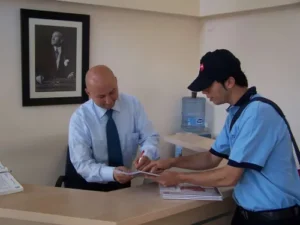
Bold statement: a forwarder is only as strong as their weakest destination partner.

So when you’re validating how to find a freight forwarder in China, you can’t stop at “we ship worldwide”.

We’ve seen shipments arrive at destination smoothly, then sit for days because the last-mile carrier couldn’t deliver to a site with strict receiving hours.

Use this checklist to pressure-test coverage with real questions.

  • Can they arrange pickup from your supplier’s exact city, not just the nearest port.
  • Do they handle appointment delivery, liftgate, limited access, or time-window constraints.
  • Can they deliver to your final address with the right truck type and weight limits.
  • Do they provide a named destination contact for escalation.
  • Will they confirm destination charges before sailing, not after arrival.

You’ll feel the difference between a network and a brochure within one serious call.
DocShipper Advice

Global coverage means nothing without last mile control.
Request named destination contacts and written charge confirmation
before your shipment sails.

Check reputation, reviews, and real customer experiences

By now, you’ve narrowed down options, but reputation is where your final decision gets real.

When people ask us how to find a freight forwarder in China, this is often the missing step, they trust a website and a quote, then learn the hard way.

You’ve probably dealt with providers who answer instantly before the booking, then vanish the minute something goes wrong.

So you’ll want proof of performance, not promises.

DocShipper Info

Reputation should reflect disruption handling, not only smooth shipments.
We analyze reviews and escalation patterns
to separate marketing noise from operational proof.

How to read online reviews without being misled

Anecdote: we once reviewed a forwarder with dozens of five-star comments, all posted within the same two-week window.

Operations told a different story when we asked for real shipment references, suddenly everything got vague.

When researching how to find a freight forwarder in China, treat reviews like clues, not verdicts.

Use these filters to separate signal from noise.

  • Timing pattern: suspicious review bursts can mean paid or orchestrated activity.
  • Specificity: real customers mention lanes, issues solved, and outcomes, not just “great service”.
  • Response quality: professional replies address facts, not defensiveness.
  • Negative reviews: one bad review happens, repeated themes are the real warning.

Industry media like Journal of Commerce often highlight how volatile capacity and surcharges can be, so you want reviews that mention how the forwarder handled disruption, not only smooth weeks.

Using references, case studies, and industry experience to validate claims

What’s the fastest way to confirm a forwarder isn’t just a sales shell?

You ask for references that match your lane and your cargo, and you ask questions that only real operators can answer.

In our projects, we’ve seen forwarders claim “strong US delivery”, then fail to explain basic destination free time or how they handle AMS/ISF coordination.

When validating how to find a freight forwarder in China, use this simple workflow to check credibility without wasting weeks.

Reference validation workflow:

1) You request two references on your trade lane, same mode (FCL, LCL, air).

2) You ask for one example of a shipment that had a problem, and how it was fixed.

3) You confirm typical destination charges and delivery constraints for that lane.

4) You verify who owns operations, who you contact after hours, and escalation steps.

5) You compare answers across forwarders, consistency matters more than sales confidence.

If you want, we can help you structure these checks and benchmark offers, but even on your own, this process will expose who’s real.

DocShipper Advice

Real references reveal how problems are solved under pressure.
Use structured validation calls to test credibility
before awarding regular volume.

Make sure communication and customer support work in your language

When you’re figuring out how to find a freight forwarder in China, you’ll quickly realize that pricing and services mean nothing if communication breaks down. In international shipping, clarity is leverage. Poor communication creates delays, wrong bookings, customs errors, and unnecessary stress.

You’re not just hiring a logistics provider. You’re choosing someone who will represent your cargo across borders, time zones, and cultures.


DocShipper Info

Clear communication prevents costly misunderstandings.
Test language precision and time zone overlap early
to avoid documentation errors and booking delays.

Language skills, time zones, and cultural fit

We once worked with a client who chose a low-cost forwarder in Shenzhen, only to discover that their “English-speaking” contact relied entirely on translation software. A simple change in Incoterms turned into a two-week misunderstanding at the port.

When evaluating how to find a freight forwarder in China, test language skills early. Ask technical questions about HS codes, Incoterms, and customs procedures and see how precise the answers are.

Here’s what you should check before moving forward:

  • Fluency in your language, not just basic conversational English
  • Ability to explain shipping documentation clearly
  • Understanding of your market’s import regulations
  • Availability during your business hours
  • Familiarity with cultural expectations in negotiation and escalation

Time zones matter more than you think. If you’re in Europe or North America, a 6 to 8 hour gap can delay urgent booking confirmations or customs clarifications.

According to the International Chamber of Commerce, many international disputes stem from contractual misunderstandings. Clear language reduces risk before it even starts.

Looking for a Reliable Shipping & Sourcing Partner?

We handle the entire sourcing process, supplier research, negotiation, production, and inspections, so you can focus on what matters most: growing your business.

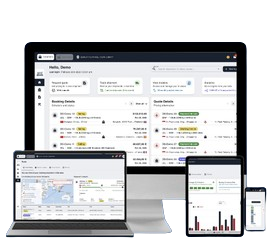
DocShipper Platform

One platform. Your entire supply chain

Sourcing, freight, customs & documents — all centralised, all visible, 24/7.

Responsiveness, shipment tracking, and problem resolution

How fast do they reply when something goes wrong?

You’ve probably experienced this before. A container is rolled at the port, and suddenly nobody answers emails for 24 hours. That’s when you understand why responsiveness is critical in how to find a freight forwarder in China.

You should expect:

  • Reply within 24 hours, ideally same business day
  • Proactive updates on delays
  • Clear escalation contact for emergencies
  • Online or structured shipment tracking system

Let us explain something from experience. The best forwarders do not wait for you to ask. They notify you before you even notice the delay.

Tracking visibility is another differentiator. Basic Excel updates are not enough if you ship frequently. You need milestone tracking, estimated arrival updates, and documentation access.

DocShipper Advice

Responsiveness is a risk control tool, not a courtesy.
Set expectations for proactive updates and milestone tracking
before your first container moves.

Testing support quality before you sign a contract

Never sign a contract without testing support first.

Before confirming your freight forwarder in China, simulate real scenarios. Ask for a sample booking process. Request a draft bill of lading. See how they handle corrections.

Use this quick checklist to validate their operational readiness:

  • Did they provide a detailed quotation breakdown?
  • Did they explain Incoterms implications clearly?
  • Were documents sent in correct format and on time?
  • Did they follow up without being chased?
  • Was their communication structured and professional?

This small “stress test” tells you more than any marketing brochure ever will.

At DocShipper, we always encourage importers to treat the first shipment as a pilot project. It’s the safest way to validate real-world performance.

DocShipper Advice

A pilot shipment reveals more than any sales pitch.
Simulate bookings and document reviews before signing
to validate real operational discipline.

Compare prices, quotations, and hidden surcharges

If you’re serious about learning how to find a freight forwarder in China, you must understand freight pricing structure. The cheapest quote on paper often becomes the most expensive shipment in reality.

Freight forwarding pricing is layered, dynamic, and sometimes opaque. You need to compare apples to apples.

DocShipper Info

Transparent comparison protects you from artificial price gaps.
We standardize quote breakdowns line by line
so you compare identical scopes, not assumptions.

How to request comparable quotes from multiple Chinese forwarders

Here’s a direct tip. Send the exact same shipment details to at least three forwarders.

Many importers make the mistake of sending vague requests like “20ft container from Shanghai to Los Angeles.” That guarantees inconsistent pricing.

Your quotation request should include:

  • Exact Incoterm
  • Cargo description and HS code
  • Gross weight and volume
  • Pickup address and final delivery address
  • Preferred transit time
  • Insurance requirement

According to UNCTAD trade logistics studies, inconsistent documentation is one of the primary causes of freight cost variations across providers.

For clarity, here’s how you should structure your comparison:

Cost Component Forwarder A Forwarder B Forwarder C
Ocean/Air Freight
Origin Charges
Destination Charges
Customs Clearance
Insurance
Transit Time

This format forces transparency.

Understanding what is included (and excluded) in each quote

We once reviewed a quote that looked 18 percent cheaper than competitors. The catch? Destination THC and customs clearance were excluded.

When evaluating how to find a freight forwarder in China, always ask one simple question: What is not included?

Common hidden charges include:

  • Terminal Handling Charges
  • Documentation fees
  • Peak Season Surcharges
  • Low Sulfur Surcharges
  • Customs inspection fees
  • Delivery Order fees

Request written confirmation of all exclusions. If something is unclear, ask for numerical estimates.

DocShipper Alert

Exclusions are where margins quietly disappear.
Request written confirmation of every included and excluded charge
before approving any booking.

Balancing cheapest price vs reliability and long-term value

Cheapest is rarely safest.

If a forwarder consistently quotes far below market rate, ask yourself how they maintain margins. Are they cutting service? Using unstable carriers?

When deciding how to find a freight forwarder in China, think long term. Delays, demurrage, and damaged goods can destroy your profit margin in a single shipment.

Here’s a practical evaluation framework you can apply:

  • Price competitiveness
  • Carrier network strength
  • Financial stability
  • Claims handling efficiency
  • Operational transparency

You’re not buying a rate. You’re buying risk management.

DocShipper Advice

Long term reliability beats short term savings.
Evaluate carrier strength and claims handling, not just rate level
to protect your profitability.

Decide between a local freight forwarder and an online marketplace

Another critical step in how to find a freight forwarder in China is choosing the right type of provider. Should you work with a local Chinese forwarder, a global logistics company, or a digital freight platform?

Each model has advantages. Each has trade-offs.

DocShipper Info

The provider model shapes control, cost, and flexibility.
We help you choose between local agents, globals, or platforms
based on your operational complexity.

Pros and cons of Chinese local forwarders vs global providers

We’ve seen importers save thousands with local agents, only to struggle when shipments faced complex customs issues abroad.

Here’s a simplified comparison to guide you:

Criteria Local Chinese Forwarder Global Provider
Pricing Often lower Usually higher
International network Agent-based Owned offices worldwide
Standardization Variable Highly structured
Flexibility High Moderate

According to FIATA, strong international agent networks are essential when handling cross-border claims and dispute resolution.

You should weigh cost savings against global operational control.

DocShipper Advice

Cost savings must be balanced with international claim support.
Assess network depth and dispute handling capacity
before prioritizing lower origin pricing.

When to use a digital freight platform or marketplace

Are you shipping standardized cargo with predictable routes?

Digital platforms can offer speed and instant booking visibility. They work well for simple port-to-port shipments with stable volumes.

However, when shipments involve complex documentation, consolidation, or special handling, human expertise still matters.

Digital platforms are ideal if:

  • You ship frequently on fixed routes
  • You prioritize price transparency
  • Your cargo is non-sensitive
  • You don’t require heavy customization

If your supply chain is more complex, personal account management often delivers better results.

DocShipper Info

Digital platforms suit standardized, repetitive flows.
For complex shipments, dedicated account management reduces risk
and improves exception handling.

Matching forwarder type to your company size and growth plan

Your forwarder choice should evolve as your business grows.

If you’re a startup importer, flexibility and lower MOQs may matter more than global infrastructure. As volumes increase, space allocation agreements and multi-country coverage become critical.

Ask yourself:

  • Will your volume double within 12 months?
  • Are you expanding into new markets?
  • Will you require warehousing or 3PL support?

The right partner today might not be the right one in three years.

DocShipper Advice

Your logistics partner should scale with your growth.
Review expansion plans and future volume forecasts
before locking into long term agreements.

Build a long-term partnership with your chosen forwarder

Once you’ve understood how to find a freight forwarder in China, the real work begins. A forwarder is not a transactional vendor. They are part of your supply chain strategy.

Strong partnerships reduce cost volatility and operational surprises.

Setting KPIs, SOPs, and performance reviews

From day one, define expectations clearly.

You should establish measurable KPIs such as:

  • On-time departure rate
  • On-time arrival rate
  • Documentation accuracy
  • Average response time
  • Claims resolution duration

Use this simple operational checklist when formalizing cooperation:

  • Written Standard Operating Procedures
  • Defined escalation contacts
  • Quarterly performance review meetings
  • Shared shipment forecast

Structured processes align expectations and prevent future friction.

DocShipper Info

Freight partnerships require structure from day one.
Define KPIs, escalation paths, and shared forecasts
to turn service into measurable performance.

Negotiating rates, contracts, and space allocations

We’ve seen importers renegotiate rates only after freight prices spiked. That’s reactive and costly.

When finalizing your freight forwarder in China, negotiate:

  • Rate validity period
  • Free time at origin and destination
  • Volume-based rebates
  • Guaranteed space during peak season

The World Bank logistics performance research consistently highlights capacity constraints as a major disruption factor. Securing space in advance protects you.

Think beyond price. Secure stability.

DocShipper Advice

Stability is negotiated, not hoped for.
Secure rate validity, free time, and peak season space
before market conditions tighten.

When to reconsider or switch your freight partner

Loyalty is valuable, but blind loyalty is dangerous.

You should reconsider your forwarder if you observe:

  • Repeated unexplained delays
  • Frequent billing discrepancies
  • Poor communication during disruptions
  • Declining service quality

Switching partners should follow a structured transition plan. Overlap shipments, transfer documentation carefully, and inform suppliers in advance.

At DocShipper, we often manage transition phases to ensure zero operational gaps when businesses upgrade their logistics partners.

DocShipper Alert

Declining service quality compounds over time.
Plan structured transitions and overlap shipments carefully
to avoid operational gaps when switching partners.

Conclusion

Understanding how to find a freight forwarder in China is not about finding the lowest rate. It’s about protecting your cargo, your cash flow, and your reputation.

If you remember nothing else, keep these key principles in mind:

  • Test communication quality before signing anything
  • Compare quotations line by line, not just total price
  • Clarify every inclusion and exclusion in writing
  • Match forwarder type to your operational complexity
  • Set KPIs and review performance regularly
  • Reassess partnerships when service declines

Choose carefully, structure clearly, and manage proactively. That’s how you turn a freight forwarder in China into a strategic asset rather than a recurring risk.

FAQ | How to find a freight forwarder in China that protects your cargo and your margins

Use a step‑by‑step double check instead of trusting screenshots.

  • Ask for:
  • Their full **Chinese company name** and **Unified Social Credit Code** (18 digits).
  • A clear PDF or photo of their **business license** (营业执照).
  • Their **registered address** and legal representative’s name.
  • Cross‑check using public databases (your local partner, sourcing agent, or a third‑party verifier can help):
  • Search the company name + city on **Tianyancha**, **Qichacha**, or equivalent.
  • Confirm the **license is “in business”**, not revoked or expired.
  • Verify the **business scope** includes international freight forwarding or logistics.
  • Red flags to walk away from:
  • They only send **cropped or blurry images**.
  • The **name on the license ≠ name on quotation or bank account**.
  • They refuse to share any official document “for confidentiality reasons”.

Ask us anything!

Need Help with
Logistics or Sourcing ?

First, we secure the right products from the right suppliers at the right price by managing the sourcing process from start to finish. Then, we simplify your shipping experience - from pickup to final delivery - ensuring any product, anywhere, is delivered at highly competitive prices.

Live Chat

Get instant assistance from our team—just click and start chatting!

Live Chat Now
image

Fill the Form

Prefer email? Send us your inquiry, and we’ll get back to you as soon as possible.

Contact us
image

Call us

Reach out to us on WhatsApp for quick, convenient, and personal support.

Call us
image